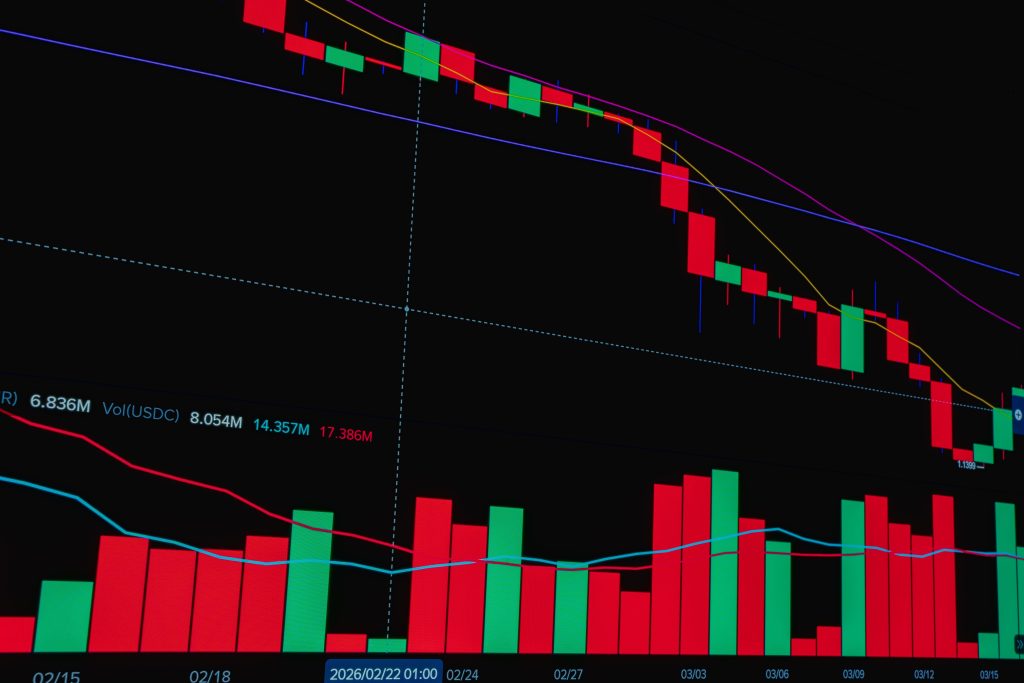
Behind many large daily movements lies a story of money crossing borders. When market watchers follow Sensex Today Live, they frequently notice that the strongest rallies or sharpest drops coincide with big changes in the buying or selling activity of institutional investors from overseas. Analysts who compare these flows with the behaviour of the Dax and other major benchmarks often find that liquidity, rather than just company performance, shapes short-term direction. Understanding these flows can make the market’s behaviour far less mysterious.
Who Are Foreign Portfolio Investors?
Foreign portfolio investors are large institutional players like pension funds, insurance companies and asset managers that purchase Indian shares and bonds from overseas. Their massive positions ensure that their buying and selling activities drive prices significantly. Also, their transactions are recorded every day by the exchanges and depositories, and many Indian financial websites carry a net buying/selling value every night. A consistent pattern of purchasing tends to drive prices higher while persistent sales put pressure on prices, especially for large-cap stocks.
Why Do They Buy Or Sell?
The rationale behind their decisions usually goes beyond the fundamentals of India’s story. Interest rates in other countries, currency values, risk appetite elsewhere, valuations of Indian stocks vis-à-vis other emerging markets etc all play a role. Higher yields in other countries draw money out of India to take advantage of those higher returns. Global risk appetite affects the ability of money to flow into India as well as other emerging markets. Domestic factors like corporate profits, reforms and political developments also play a part.
The Growing Influence Of Domestic Players
What is changing, though, is the increase in domestic institutional investors and retail investors. Mutual funds are witnessing consistent inflows through their monthly instalment plans, which purchase shares continuously irrespective of market conditions. As a consequence, when foreign investors sold off aggressively last year, this steady stream of buyers ensured that market prices did not plunge as sharply as in previous years. The market is becoming less vulnerable to the whims and fancies of single category investors.
How Can You Use This Information?
You do not have to mimic what these large institutional investors do, but you can use this information in your decision-making process. Persistent selling by foreigners and a depreciating rupee may be a reason to stay away from the markets in the near term. On the other hand, increased inflows coupled with reasonable valuations make for a compelling case to be positive about the market. However, do not make long-term decisions based on what happens in the short term. Currency and interest rates are some factors over which you have no control, and flows tend to be extremely volatile and can change direction suddenly without much warning. Most importantly, do not get carried away by talk of large amounts of money flowing in or out of the market. There are always some voices that will claim that markets are poised to crash or shoot up, and you should not let these opinions unduly influence your decisions.
Currency And Interest Rate Effects
Foreign flows have a significant impact on the value of the rupee. Large-scale selling by foreigners puts downward pressure on the currency. This can lead to higher inflation as our imports become more expensive, and the Reserve Bank of India may have to use some of its reserves to stabilise the situation or adjust interest rates to control inflation. Information technology and pharmaceutical companies which tend to have higher revenues in US dollars will have an advantage over firms which have to finance their import bills in rupees during such periods.
Conclusion
Foreign fund flows affect Indian equity prices and, to a large extent, explain their volatility but it is the growth in corporate profits that will determine the long-term trajectory of the market. Understanding the impact of these foreign investors and their activities is crucial for making the right investment decisions. However, you must always remember to look beyond these flows and focus on the fundamentals, like the quality of a company’s products and services and its ability to make profits from them to make intelligent investment decisions.